


Foreign Investor Tax Treatment in Indonesia vs Europe
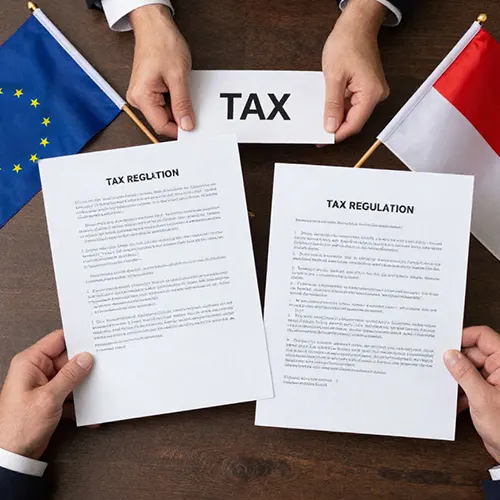
Investors deciding between Indonesia and European jurisdictions (or planning to operate in both) must understand that tax treatment affects cash flow, mobility and exit outcomes, not just headline returns. This article gives a clear, practical comparison of the most important tax differences for foreign investors, grounded in recent Indonesian policy updates and commonly used European […]
Tax Risks for PMA Investors: What Happens If You Don’t Report Your Income?

Investing in Indonesia through a PT PMA gives you market access and growth potential but it also creates clear tax obligations for both the company and you as an investor. Failing to report personal income (or misunderstanding what must be reported) is one of the fastest ways to turn a profitable project into a legal […]
Silent PMA: How to Fix a Company That Has Not Submitted Taxes for Years

Many foreign investors discover a painful fact when they revisit an old PT PMA: the company exists on paper but hasn’t filed VAT, withheld taxes, corporate SPTs, or LKPMs for years. That “silent PMA” is a liability not only for the company but for shareholders, directors, and any foreign employees tied to the business. The […]
Corporate vs Personal Tax for PMA Investors: What’s the Difference?

Investing in Indonesia through a PT PMA (foreign-owned limited company) is attractive but many foreign investors underestimate the difference between what the company pays and what you personally must pay. That gap matters: it affects cash flow, visas, banking, exit planning and the true after-tax return on your investment. This article explains the practical, regulation-driven […]
Investor KITAS Holders: What Personal Taxes Must You Pay in Indonesia?

Investing in Indonesia is exciting and holding an Investor KITAS (limited stay permit for investors) brings special privileges and responsibilities. One of the most important responsibilities many foreign investors under-estimate is personal tax compliance. This article explains, in clear and practical terms, what personal taxes Investor KITAS holders must pay, how Indonesian tax residency works, […]
Personal Tax Responsibilities for Investors in a PT PMA

Investing in Indonesia through a PT PMA opens doors, but it also creates personal tax responsibilities that every foreign investor must understand. This article gives you a strategic, regulation-driven guide (with practical steps) so you can protect your investment, remain compliant, and avoid surprises when you extend your KITAS, open bank accounts, or exit your […]
Can Your PT PMA Be Penalty-Free If You Never Operated?

Foreign investors often ask a simple but critical question after registering a PT PMA (a foreign-owned limited liability company in Indonesia): if my company never started operations, can I avoid penalties? The short answer is: not automatically. Even a company that never traded remains subject to Indonesian administrative and tax rules and non-compliance can create […]
What Happens If Your PT PMA Has Never Reported Taxes in Indonesia?

Foreign-owned companies (PT PMA) play a vital role in Indonesia’s economy, especially in sectors such as real estate, healthcare, F&B, tourism, and professional services. However, one critical issue that continues to surface among foreign investors and business owners is tax non-compliance, particularly when a PT PMA has never reported taxes since its establishment. If this […]
Tax Benefits for Foreign Investors in Indonesia’s Tourism Zones

Indonesia has officially positioned tourism as a strategic national economic driver, supported by tax incentives, regulatory flexibility, and infrastructure development. For foreign investors, tourism-designated zones offer distinct fiscal advantages compared to conventional business locations. These incentives are not informal benefits. They are regulated under the BKPM (Ministry of Investment), the Ministry of Finance, and the […]
Property Investment Tax for Foreigners in Indonesia

Foreign property investment in Indonesia continues to attract global investors seeking growth, lifestyle value, and long-term capital appreciation. However, property taxation in Indonesia operates under specific legal frameworks that differ significantly from those in Europe, Australia, and North America. Understanding these taxes is essential for foreigners investing through Hak Pakai, leasehold, or PT PMA structures […]