Sumba is quickly becoming one of Indonesia’s most promising frontiers for foreign investment. Known for its untouched beauty and growing tourism potential, it’s no surprise that European investors are turning their attention to this island. But before you invest in property or start a business here, you need to understand the legal landscape—especially land rights and company setup as a foreigner.
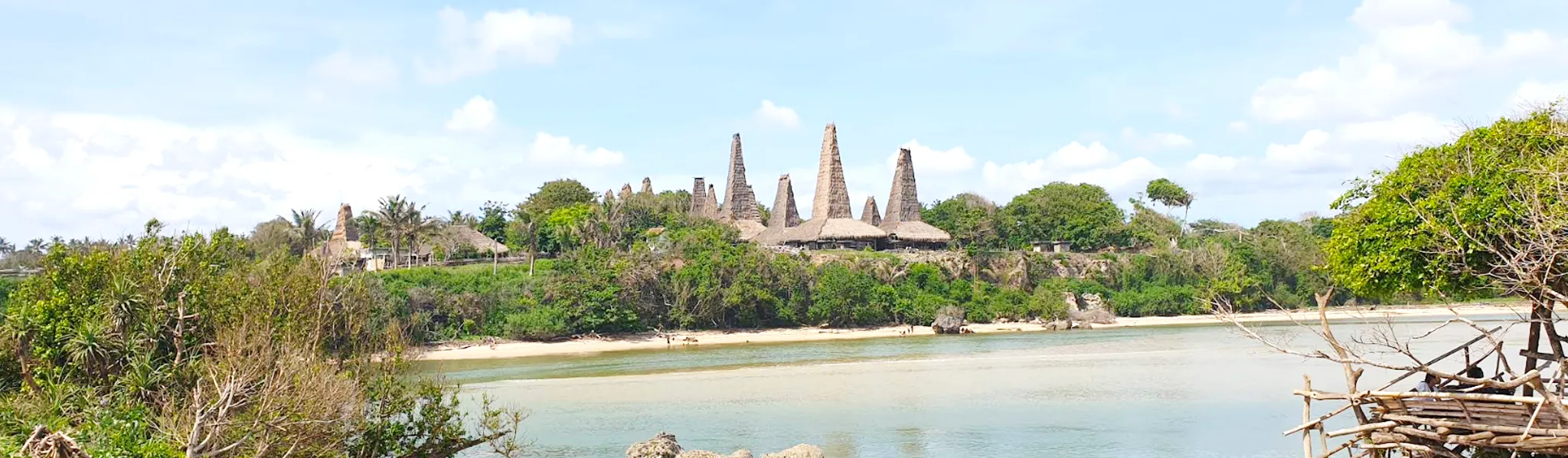
Can Foreigners Own Land in Sumba?
Indonesian law prohibits foreign nationals from directly owning freehold land (Hak Milik). However, you can secure land legally through two main options:
Right to Use (Hak Pakai)
This title allows you to legally use and build on the land for up to 80 years (initial 30 years + 20 + 30 extensions). It is the most secure legal way for foreigners to control property in Indonesia.
Establishing a Foreign-Owned Company (PT PMA)
By setting up a PT PMA, your company can acquire Right to Build (Hak Guna Bangunan) or Right to Use titles. This is the preferred structure for foreign investors looking to operate businesses in hospitality, tourism, wellness, or agriculture in Sumba.
Why Set Up a PT PMA in Sumba?
A PT PMA (Foreign-Owned Company) is your legal gateway to doing business and owning land in Indonesia. Here’s why this structure matters:
- Full legal compliance for foreign investment under BKPM (Indonesian Investment Coordinating Board).
- Allows property acquisition, commercial operations, and hiring staff.
- Offers residency options through KITAS for shareholders or directors.
- Required for operating hotels, villas, eco-resorts, or other tourism-related businesses.
Setting up a PT PMA typically takes 4–6 weeks, including approval, deed of establishment, tax registration, and licensing.
Common Mistakes to Avoid
Many investors unknowingly fall into legal traps. Here are key mistakes to avoid:
- Buying land under an Indonesian nominee’s name—illegal and risky.
- Skipping due diligence on land ownership history or zoning restrictions.
- Using the wrong company structure (e.g., local PT vs PT PMA).
- Not understanding building permits (PBG) and operational licenses.
Engaging a qualified local consultant who understands both Western investment expectations and Indonesian regulations is crucial for smooth entry. Sumba offers rare opportunities for foreign investors looking to build eco-lodges, surf resorts, or sustainable agriculture businesses. But navigating Indonesia’s legal system requires accurate information, legal compliance, and strategic structuring. Let’s make sure your investment in Sumba is safe, legal, and profitable.
Disclaimer
The information provided here is based on our long experience. The process or requirement may vary depending on the specific facts and conditions. Besides, the law and regulations in Indonesia subject to frequent changes. Please contact us as your consultant to get an up to date information and accurate advice. More Information click here and You can also follow our social media accounts to see the latest information posts. please click on the following links: Facebook, Instagram, Linkedin, and Twitter.



